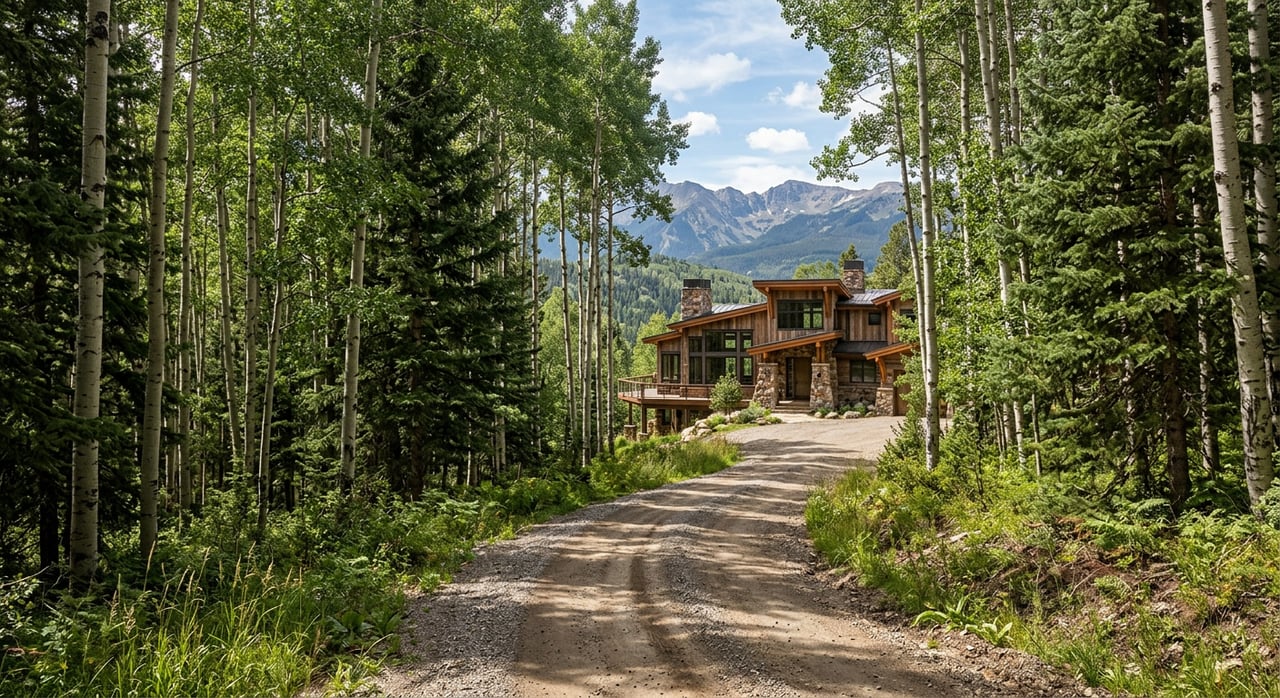
If you crave a home where mornings begin under cottonwoods and evenings settle into quiet, Wilson might be the address that fits your life. You want privacy without feeling remote, fast access to ski lifts and national park trails, and a neighborhood that respects space. In this guide, you will see how Wilson delivers that balance through its location, lifestyle pockets, and everyday conveniences. Let’s dive in.
Where Wilson fits in Jackson Hole
Set at the base of Teton Pass along Wyoming Highway 22, Wilson is a census-designated place in Teton County with about 1,567 residents and an elevation around 6,148 feet. The community spans roughly 23.4 square miles, which leaves room for trees, meadows, and river corridors that shape daily life. You can confirm the basics on the Wilson community page that outlines its location and character as part of Jackson Hole’s west bank.
From your driveway, you are about a 10 to 15 minute drive to the Town of Jackson and about 12 to 15 minutes to Teton Village under typical conditions. Winter storms and construction can add time, so plan ahead during peak periods. If you prefer to skip parking on busy days, START Bus routes connect Wilson with the village and Jackson, which keeps commutes simple during ski season and summer.
Pockets that deliver space
Wilson does not divide neatly into subdivisions. Instead, it unfolds in landscape-driven pockets that each offer a distinct feel. Here is how to think about the areas that attract owners seeking space and solitude.
West bank and Snake River corridor
Along the Snake River levee from Rendezvous Park to the Wilson boat ramp and Emily Stevens Park, you find riparian corridors, cottonwood stands, and ponds. Many homes lean into mature tree cover and visual buffers, and some properties back onto public levee land. That setting increases perceived elbow room and gives you direct walking access to levee trails and scenic float put-ins documented in the county’s Snake River Management Plan.
Stilson and Wilson Centennial corridor
This pocket centers around open meadows, groomed multi-use pathways, and quick bike or foot access to the Moose-Wilson Pathway and the Stilson transit hub. If you want quiet yards plus a connected daily routine, the Wilson Centennial Trail is a useful reference point. In winter, you can step into groomed routes without driving to a trailhead, which keeps your days calm and car-light.
Teton Pines and the south side
South of the village core, homes near Teton Pines blend larger lots and a planned-community feel with canopy trees and quiet residential streets. If you appreciate a golf-adjacent setting and a more settled rhythm, this area often reads as refined and discreet while staying close to services.
Upper Wilson and the Teton Pass approach
As you climb toward the pass, properties take on a mountain-edge character with steeper drives, fewer through-streets, and strong separation from daily traffic. You get an alpine sensation while still being minutes from Wilson’s services and a short drive to the lifts or town.
Fish Creek plaza and the “village” core
Near the small commercial node by Fish Creek Road, you can walk to coffee, a small market, and community space at Owen Bircher Park. Residential pockets close by feel leafy and established. You trade a bit more activity for the ease of basic errands on foot.
Outdoor access that protects your solitude
Wilson’s appeal deepens when you look at how quickly you can shift from home to nature without turning every outing into a production.
- Pathways and Moose-Wilson Road. The west bank network links Wilson, Teton Village, and Grand Teton National Park. The Teton County Pathways map shows a continuous non-motorized system that makes daily rides or walks simple. Moose-Wilson Road adds a scenic through-line into park trailheads.
- Snake River access. Wilson has an 11-acre access area and public boat launch just north of the Highway 22 bridge. The Snake River Management Plan lays out how launches, parking, and levee trails are managed to balance recreation and resource protection. For you, that means near-riverside walking and low-impact time outside.
- Day hikes close at hand. Granite Canyon, Phelps Lake, and other park trailheads are a short drive via Moose-Wilson Road. You can step into a day hike or reach high-mountain terrain, then return to a quiet, tree-edged lot for the evening.
- Winter routes and events. The Wilson Centennial, Stilson, and Emily’s Pond zones are groomed for cross-country and community use through the season. You get year-round outdoor living that does not require long drives or complicated logistics.
What space and solitude mean in practice
When you shop in Wilson, the features below help you understand how a property will live day to day.
- Tree canopy and sightlines. Mature cottonwoods and aspen on river terraces create natural privacy. Ask whether the yard opens to levee or public land that increases visual separation, or if it faces other homes that change the sense of privacy. The Snake River plan maps public parcels and tree stands along the corridor.
- Lot size and natural buffers. Expect a mix of smaller residential lots near the plaza, many half-acre to multi-acre homesites across the west bank, and a handful of larger parcels near golf or higher toward the pass. Focus on how the site uses vegetation, setbacks, and orientation to create a private feel.
- River, floodplain, and levee. River-adjacent properties can offer rare access and views. Confirm usable shoreline, mapped floodplain status, and any access easements. The county’s Snake River Management Plan outlines permitted uses, improvements, and levee access structure.
- Wildlife and seasonal considerations. Wilson sits in active wildlife country. Park and county notices highlight bear season each year, so plan for bear-aware storage and seasonal property management. This is part of living close to wild places.
- Transit and light-commute options. START Bus service connects Wilson to Teton Village and Jackson on published schedules. If you want solitude without isolation, these routes keep the car optional for busy days.
Wilson vs Teton Village: same valley, different rhythm
It helps to compare Wilson with the resort core so you can choose the everyday pace that fits your life.
- Teton Village is built around the base area for skiing and summer activities. You get concentrated lodging, paid and managed parking, frequent shuttles, and active commercial streets during peak seasons. Local authorities manage it as a resort district with a clear focus on visitors and on-mountain access.
- Wilson is primarily residential with a small commercial node and more tree cover around homes. It has parks, a school, and a quieter year-round cadence rather than a resort orientation. The result is a short drive to the lifts with a more private, neighborhood feel when you are home.
A day in the life
Imagine starting with a quiet walk along the levee as the Snake River moves past cottonwoods. You ride the pathway to grab coffee near the plaza, then meet a friend for a midday lap on the groomed Wilson Centennial Trail. In the afternoon you drive a few minutes to the Moose-Wilson Road corridor, hike to an overlook, and are back on your deck by sunset. It is space when you want it, community when you need it, and lifts or town within minutes.
Buyer checklist for Wilson properties
Use this quick checklist to evaluate how a home will support your goals for privacy, access, and ease of ownership.
- Floodplain or levee proximity. Confirm whether the lot lies within a mapped flood zone and what that implies for use and insurance. Review county documents for clarity on levee access and river rules.
- Conservation or public land edges. Ask whether the property borders public land or a conservation easement. These edges can increase perceived elbow room and long-term view stability.
- Driveway grade and snow storage. Understand winter plowing responsibilities, where snow can be stored, and how a steep approach might affect access after storms.
- Wildlife readiness. Verify bear-proof trash, storage, and any fencing guidelines relevant to the area.
- Covenants or design guidelines. Some subdivisions near Stilson and other pockets have architectural rules that govern materials, massing, and exterior changes.
- Proximity to lifestyle anchors. Note the distance to the Moose-Wilson Pathway, the Stilson transit hub, and the Wilson boat ramp. These details shape how easily you get outside.
The right guide for Wilson
If Wilson’s blend of privacy and access speaks to you, work with an advisor who knows the valley’s micro-pockets, seasonal rhythms, and the practical checks that matter along the river and the pass. With deep local expertise and a concierge approach, Jake Kilgrow helps you evaluate sightlines, buffers, and access, then match the right property to your lifestyle. For owners who want end-to-end support, Jake also connects you with integrated property management and rental options where permitted, so ownership stays simple.
FAQs
How close is Wilson to Jackson and Teton Village?
- Under typical conditions, you are about a 10 to 15 minute drive to Jackson and roughly 12 to 15 minutes to Teton Village. START Bus routes offer an alternative on busy days.
What outdoor access do Wilson homeowners enjoy?
- You have direct access to levee trails and the Snake River launch near the Highway 22 bridge, groomed community cross-country routes, and quick connections to Moose-Wilson Road for park trailheads.
How does the west bank pathway system support car-free days?
- The Teton County Pathways network links Wilson with Teton Village and into Grand Teton National Park, so you can ride or walk to recreation and transit without relying on a car.
What should I know about wildlife and bear season in Wilson?
- The valley is active wildlife habitat. Plan for bear-aware storage and seasonal readiness, and follow current park and county guidance on bear season.
How does Wilson differ from staying in the resort core at Teton Village?
- Teton Village concentrates lodging and visitor services near the lifts, while Wilson is primarily residential with more tree cover, yard privacy, and a quieter year-round cadence.