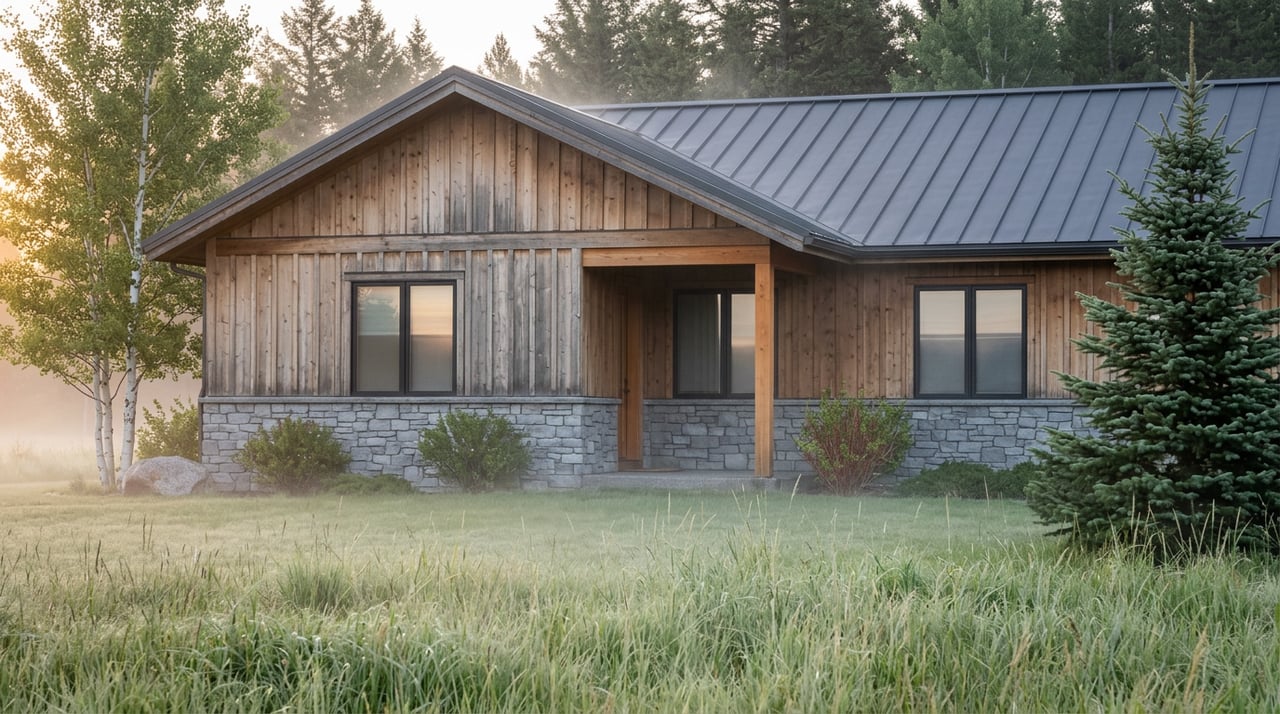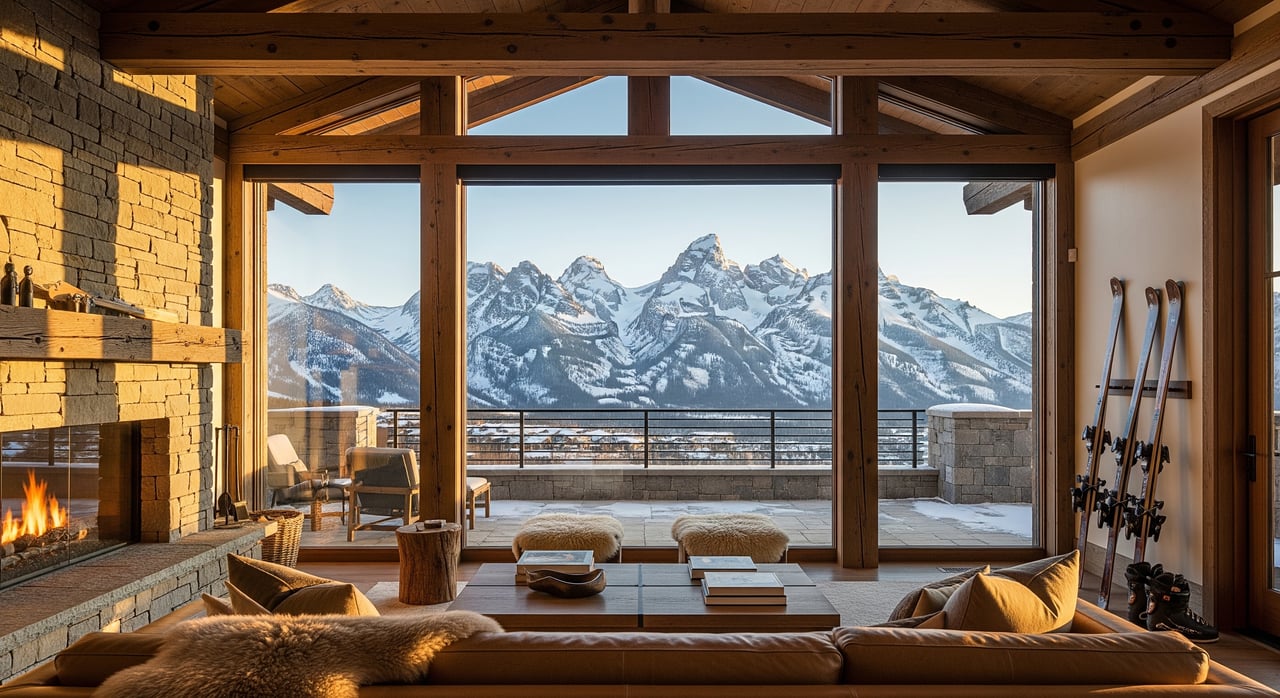
Craving snow outside your door and a lift ride minutes after coffee? Owning in Teton Village places you at the base of Jackson Hole Mountain Resort with a rhythm shaped by powder mornings, alpine evenings and easy access to wild spaces. If you want a home that doubles as an all-season basecamp and a refined retreat, this village delivers. In this guide, you’ll learn how daily life works, what costs to expect, how rentals operate and what to check before you buy. Let’s dive in.
Life at the Jackson Hole base
Teton Village sits at the foot of Jackson Hole Mountain Resort on the western edge of the valley. The base area is compact and walkable, and many homes and condos sit steps from lifts and gondolas. The base elevation is in the mid‑6,000s, while the resort tops out around 10,450 feet, which shapes snowpack, weather and the length of ski windows.
You are close to vast public lands. Bridger‑Teton National Forest is nearby, and Grand Teton National Park is a short drive, which expands your trail and sightseeing options. That proximity also brings stewardship responsibilities, from respecting closures to managing wildlife attractants around your home.
Getting here and getting around
The Jackson Hole Airport is the valley’s main gateway year‑round, and the drive to Teton Village typically runs 20 to 40 minutes depending on conditions. That access pattern is a major plus for second‑home and international owners who want short travel days.
Roads are paved and plowed through winter, but steep grades and snow make a winter‑capable vehicle a smart choice. Seasonal shuttles and local transit often run between the Town of Jackson and the village, and once you park, the pedestrian core makes daily errands and dining simple on foot.
Ski season rhythm
Owning in the village puts you in position for early laps and first tracks. High‑speed lifts and the aerial tram move you quickly to the terrain, and many residences offer ski‑in or ski‑out access. Exact access varies by building and snow coverage, so it is worth confirming the route from any specific door to the lifts.
Daily life in winter centers on simple logistics. You will find equipment tuning and storage, ski schools and child care programs, and on‑mountain dining for quick lunches between runs. Afternoons often end with a short walk to après‑ski spots in the base area.
Backcountry is part of the culture here. Guide services and avalanche training are visible around the village, and owners who venture beyond the resort typically engage local experts. Even if you stay in bounds, you will notice the valley’s emphasis on safety and education.
Summer and shoulder seasons
Summer brings a different energy. The resort shifts to scenic tram rides, hiking and mountain biking, and the village becomes a base for climbing, fishing and lake days in nearby parklands. Daytime activity is high, lift lines are lighter than winter, and evenings often stretch outdoors on decks and patios.
Many owners visit in both seasons or choose to rent during peak weeks. Summer demand is strong, though the feel is more trail‑oriented than powder‑driven. Spring and fall are quieter, which some owners love for calm hiking, wildlife viewing and projects around the house.
Home types and access considerations
You can choose from fee‑simple single‑family homes, townhomes and condominiums, as well as fractional or resort‑managed options. Luxury custom homes and high‑end condos are common, and many buildings are designed for both owner use and short‑term rental.
Shared easements and common areas are part of village life. Many developments coordinate slope access through recorded easements, and HOAs manage snow removal, building care and amenities. Review association documents and any lift or slope access agreements closely so you understand how you will move to and from the mountain.
Costs you should expect
Purchase prices in Teton Village typically sit at the higher end relative to the wider valley. Budget with the full ownership picture in mind so there are no surprises after closing.
- Property tax: Wyoming’s effective property tax burden is relatively low compared with many states. Your actual tax depends on assessed value and the local mill levy.
- HOA and condo dues: Many buildings carry substantial monthly or quarterly dues. These often cover snow removal, exterior maintenance, amenities and sometimes utilities or insurance.
- Utilities and energy: Heating, snow‑melt systems and winterization add to utility costs in a mountain climate. Plan for seasonal swings in usage.
- Insurance: Policies should account for winter weather, roof snow loads and, in some cases, earthquake or flood coverage. Wildfire and avalanche risk can affect premiums and availability.
- Maintenance and winter services: Line items often include snow removal, roof and gutter management, heating system service and care for exterior materials that handle freeze–thaw cycles.
Renting your home
Short‑term rentals are common in Teton Village, but rules vary by jurisdiction and by HOA. Jackson town has historically stricter controls than some unincorporated county areas, so it is important to verify current county and community regulations, licensing needs and any caps or taxes before you list.
Revenue tends to be seasonal. Winter holiday periods and peak summer weeks often drive the strongest occupancy and rates, while shoulder months can be quiet. Treat rental income as variable, and seek historical context from local managers for planning.
Many owners prefer professional management for bookings, housekeeping and guest support. The village supports a robust network of concierge and property management services, which can make ownership more turnkey.
Wildlife, safety and stewardship
Wildlife is part of daily life in and around the village. Expect to see elk, moose and deer, and occasionally bears or wolves in the broader valley. Owners are usually required to secure attractants, use bear‑resistant containers and follow local guidance for pets and garbage. These habits protect both wildlife and neighborhoods.
If your property is near steeper terrain, avalanche awareness matters. The resort and local authorities may perform mitigation in certain areas, but private owners should understand local risk maps and any responsibilities on their parcel. Visual impact, lighting and dark‑sky practices are also part of community expectations and, in some cases, local regulations.
Due diligence checklist
Use this list to focus your reviews before you write an offer:
- Confirm lift and gondola proximity, plus any recorded ski easements or access limitations.
- Review HOA or POA documents, assessment history, reserve studies and any special assessments.
- Ask about resort master‑plan updates that could affect views, lift locations, noise or traffic.
- Verify utilities, water and sewer connections, and any water rights or septic details.
- Evaluate insurance needs, including wildfire, avalanche exposure, flood status and roof snow loads.
- Research rental rules, licensing, tax obligations and management agreements if you plan to rent.
- Check local wildlife rules, bear‑storage requirements and fencing or pet ordinances.
- Clarify road maintenance and winter plowing responsibilities for your driveway and access.
Healthcare and everyday services
Daily needs in the village are covered by convenience markets, rental shops, gear tuning and a range of restaurants, clubs and spas. For broader services, head to the Town of Jackson, where you will find most grocery, retail and professional options. St. John’s Health in Jackson is the primary hospital and emergency care resource for the valley.
Who buys here and why
Buyers often include second‑home owners who want true ski‑in convenience, investors focused on luxury rental product and year‑round households who value recreation and privacy. Many owners use their homes seasonally and offset costs with professionally managed rentals. The market is lifestyle‑driven and sensitive to travel patterns and broader economic conditions, so timing and product selection matter.
Work with a local guide
Choosing the right street, building stack or view corridor in Teton Village can change your daily routine and long‑term value. You want a guide who understands mountain culture, HOA nuances, rental zoning and the operational details that make ownership easy. With deep local experience, a luxury marketing platform and an integrated property management channel for turnkey rentals, Jake Kilgrow can help you evaluate options, model costs and step into ownership with confidence.
FAQs
How close are homes to lifts in Teton Village?
- Proximity ranges from true slope‑side units with direct ski access to homes and condos a short walk or shuttle ride away; always verify the specific route and any recorded easements for a property.
How long is the drive from Jackson Hole Airport to Teton Village?
- Typical drive time is about 20 to 40 minutes depending on road conditions, traffic and weather.
Can you rent out your Teton Village property?
- Often yes, but rules vary by jurisdiction and HOA; confirm current county regulations, licensing, taxes and any community‑specific restrictions before renting.
What are typical ongoing ownership costs in Teton Village?
- Expect property taxes, HOA or condo dues, insurance, utilities and winter maintenance; Wyoming’s effective property tax burden is relatively low compared with many states, but totals depend on your home and association.
Is Teton Village a four‑season destination?
- Yes; winter centers on skiing and resort life, while summer features hiking, biking and scenic tram rides with quick access to national forest and nearby parklands.
What wildlife or safety issues should owners consider in Teton Village?
- Plan for bear‑safe storage and garbage practices, be mindful of elk and moose, and understand any avalanche exposure near your property, along with local guidelines that promote safety and stewardship.